Building a Scalable Graph RAG System for Enterprise Insights
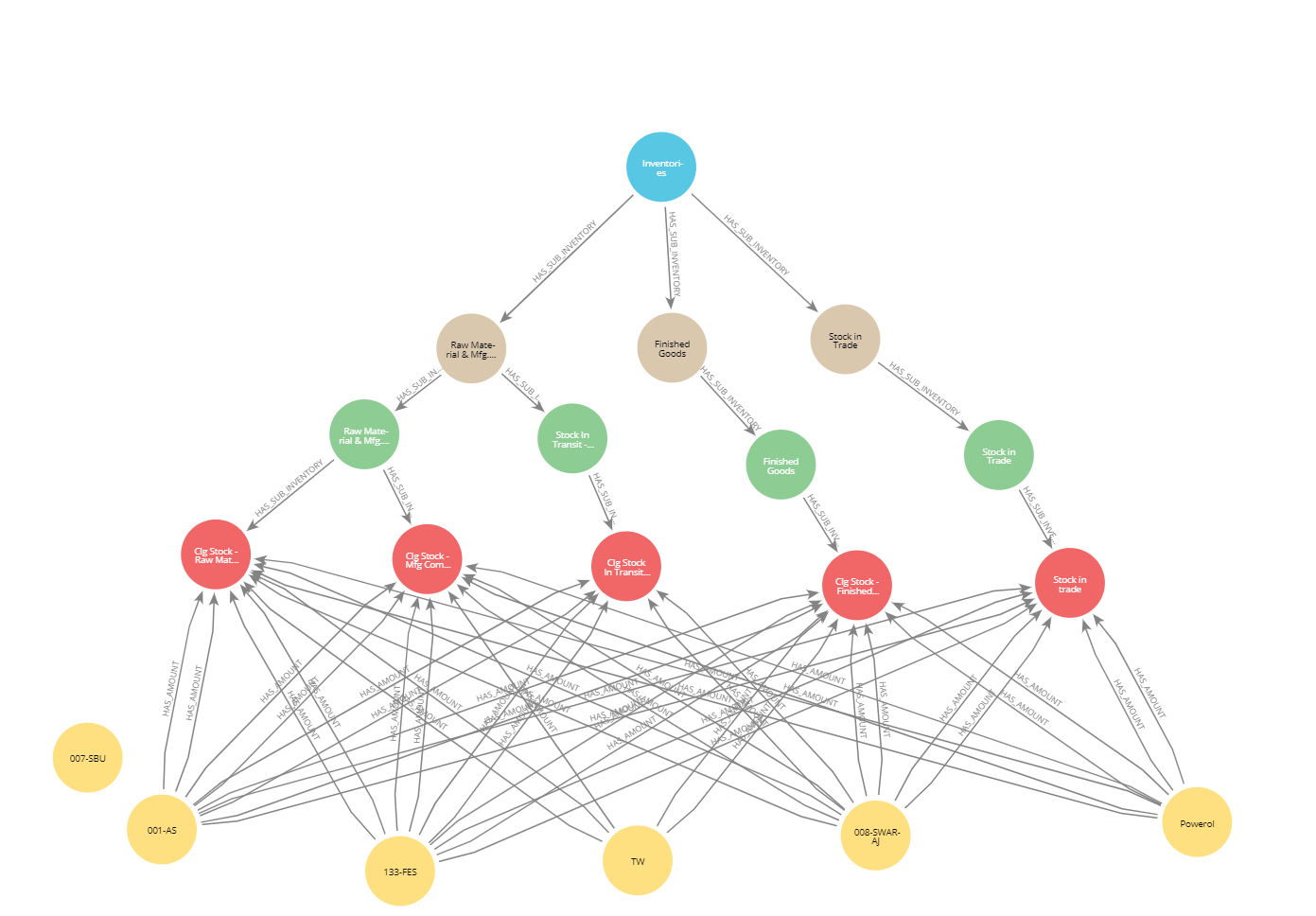
I led the development of a Graph-based Retrieval-Augmented Generation (RAG) system integrating Neo4j, LangChain, and Azure OpenAI. Designed for enterprise-grade inventory and financial data analytics, the system enables natural language querying over knowledge graphs with structured Cypher output and dynamic result interpretation.
Visit websiteThe problem
In 2025, we initiated the GraphRAG project to build a cutting-edge Retrieval-Augmented Generation system over a Neo4j knowledge graph-designed from the ground up to empower domain experts and business users with natural language access to structured enterprise data. The legacy systems were rigid and siloed, with limited ability to connect insights across group companies, inventory hierarchies, and financial years. Our goals were to unify this fragmented data into a queryable knowledge graph, reduce the barrier to data exploration using LLMs, and create a system that’s intuitive for non-technical users while being scalable and robust for complex analytics.
Design system docs
A system is only effective if teams know how to use it, so we built thorough documentation to guide contributors. It covers graph schema structure, prompt engineering principles, Cypher query patterns, LLM integration, and deployment guidelines-ensuring both developers and analysts can confidently work within the GraphRAG ecosystem.
Project outcomes
The GraphRAG system successfully enabled natural language querying over complex enterprise datasets, dramatically reducing the time required for analysts to extract insights from weeks to minutes. By integrating Neo4j, LangChain, and Azure OpenAI, we delivered a scalable, cost-optimized architecture capable of handling millions of relationships and entities. The system is now in production, supporting real-time inventory analysis, financial forecasting, and cross-company reporting, and has become a core analytics platform for enterprise decision-making.